Software
Foundation Advanced
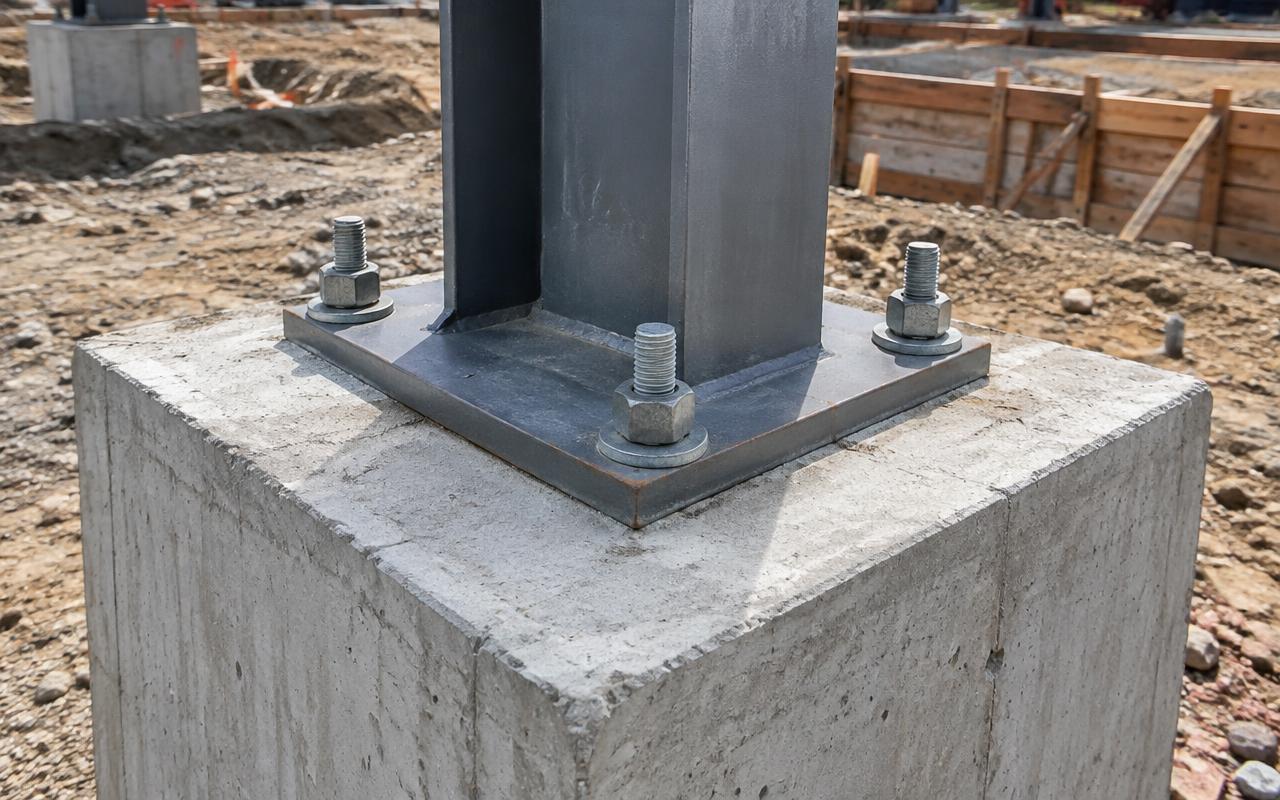
Design of isolated, combined, mat and equipment foundations.
Quick answer
Structural Engineering Services supports Foundation Advanced projects worldwide with foundation design, equipment support structures, lifting & rigging calculations, structural design services — delivered by senior engineers on licensed software to international codes.
- Publisher
- Bentley Systems
- Discipline
- Foundation analysis & reinforced concrete design
- Licensing
- Commercial seats, in-house only
Capability at a glance
Our Foundation Advanced bench strength
Every figure below is what we run in production — licensed seats, supported versions and the scale we deliver at, so you can size us against your package before you enquire.
5
Licensed seats
STAAD Foundation Advanced with the plant toolkit
4 codes
Concrete codes
ACI 318, EN 1992, IS 456, CSA A23.3
1,500+
Foundations per year
From equipment plinths to 40 m × 25 m rafts
Service + ULS
Both checked
Bearing and settlement at service, concrete at ultimate
2–4 days
Typical batch
A pipe-rack or equipment foundation set with schedules
Deliverables
What we produce in Foundation Advanced
Foundations are designed from somebody else's reactions, so the first job is making sure those reactions are right. Then we size, check stability and hand over rebar the detailer can draw directly.
Scope your deliverablesIsolated, combined & strip footings
Sized for bearing, overturning, sliding and uplift, with service and ultimate combinations reported separately.
Mat & raft foundations
Plate finite-element analysis on an elastic subgrade, with soil-pressure contours, settlement check and zoned reinforcement.
Pile caps & pile layout
Pile group arrangement, load distribution, cap design by strut-and-tie or beam theory, and pile load tables for the piling contractor.
Equipment & machine foundations
Block and table-top foundations with dynamic checks to ACI 351.3R and DIN 4024 for pumps, compressors and vibrating screens.
Vessel & tank foundations
Octagon pedestals, anchor-bolt chairs and tank ring beams designed for wind, seismic, erection and hydrotest cases.
Rebar schedule & quantities
Bar bending schedule, detail sketches and concrete and steel quantities exported for drafting and for the bill of quantities.
Interoperability
Foundation Advanced file formats we work with
This is the end of the load path. Reactions come in from the analysis model, and quantities, rebar and layouts go out to drafting and procurement.
| Format | Direction | How we use it |
|---|---|---|
| STAAD.Pro reactions | We import | Direct link pulling factored and unfactored support reactions per load case, with no manual re-keying. |
| ISM repository | Both ways | Geometry and loads synchronised with the superstructure model through design revisions. |
| Excel / CSV load tables | Both ways | Reaction tables in from any analysis source; design summaries and quantities out. |
| DXF / DWG | Both ways | Plot plan and equipment layout in; foundation plan, section and rebar sketches out for detailing. |
| PDF calculation set | We deliver | Stability, bearing, settlement and rebar design calculations bound for approval. |
| Geotechnical report data | We import | Bearing capacity, subgrade modulus, pile capacity and settlement limits captured as explicit design inputs. |
Working in a format that is not listed? Send a sample file with your enquiry — we confirm every exchange route before kick-off rather than discovering it at issue.
How we work
Our Foundation Advanced workflow
The same sequence runs on every job, from a two-day mark-up to a multi-phase package — only the duration of each stage changes.
- 1
Geotech & load intake
Soil report, allowable bearing, subgrade modulus, groundwater level and seismic site class are read against the reaction tables before anything is sized.
- 2
Reaction audit
Quality gateReaction totals are checked against the structure's self-weight and applied loads to catch sign, unit and combination errors early.
- 3
Foundation type selection
Isolated, combined, mat or piled selected on bearing capacity, settlement tolerance, layout congestion and constructability.
- 4
Stability checks
Bearing pressure, overturning, sliding, uplift and buoyancy verified with the factors of safety the project specification demands.
- 5
Concrete & rebar design
Flexure, one-way and punching shear, development and crack width designed to ACI 318, EN 1992, IS 456 or CSA A23.3.
- 6
Detailing hand-off
Rebar sketches, bar bending schedule and foundation layout issued to drafting with congestion and cover checked.
- 7
Quantities & report
Concrete volume, formwork area and steel tonnage summarised with the calculation set for cost control.
One stage is a formal quality gate — work does not move forward until a senior engineer signs it off, which is why revisions after issue stay rare.
Choosing a platform
When Foundation Advanced is the right choice
The right software is the one that produces your deliverable with the least rework downstream. This is the call we would make on your scope.
Choose Foundation Advanced when
- Foundations are being designed from STAAD.Pro reactions and you want the link kept live through design revisions.
- Mats and rafts need genuine plate FE analysis on a soil spring model rather than hand strip analysis.
- Equipment foundations must satisfy dynamic criteria — amplitude, resonance and transmissibility limits.
- Volume work: a plant with hundreds of footings needing consistent, auditable design and quantities.
We would use something else when
Still unsure? Send the drawings and the deliverable you need — we will tell you which platform we would run it on, and why, before quoting.
Relevant services
Our Foundation Advanced services
Foundation Design
Designing isolated, combined, mat and equipment foundations with anchor-bolt checks.
Explore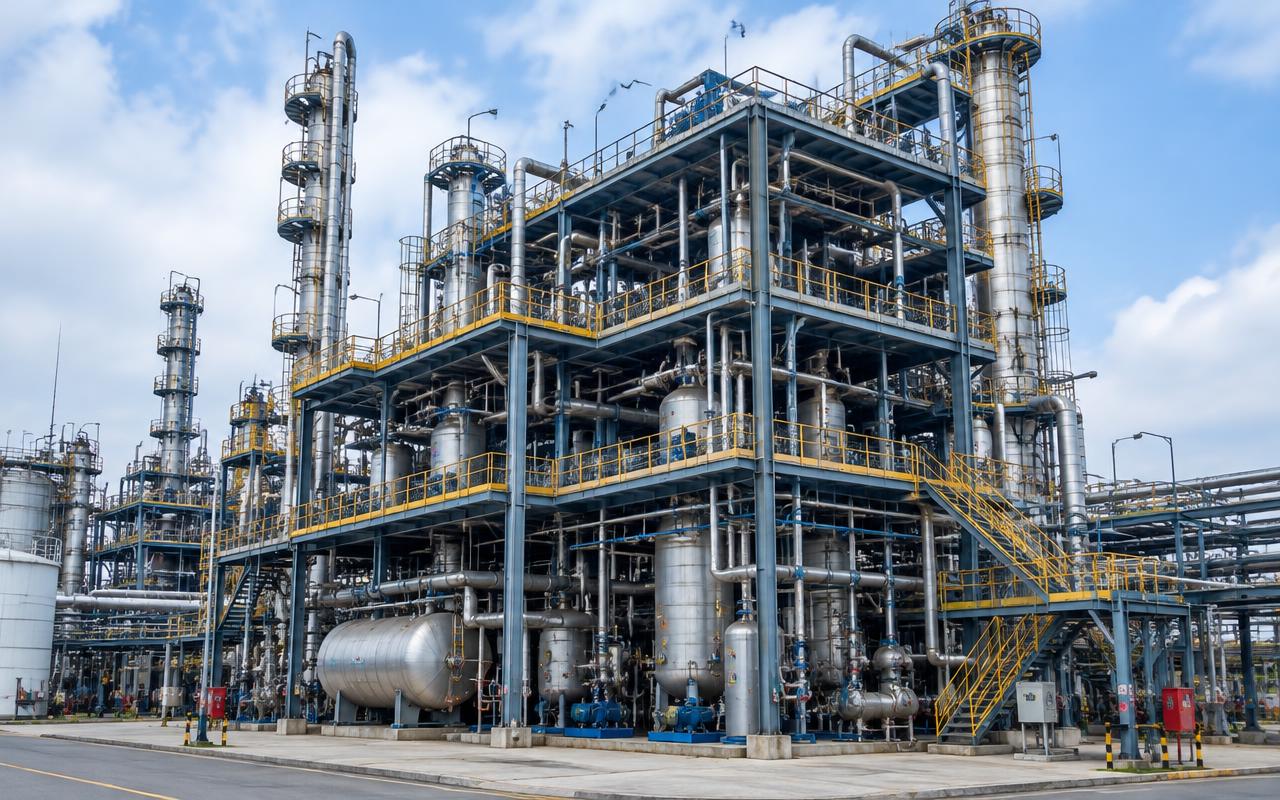
Equipment Support Structures
Designing platforms and supports for vessels, exchangers, pumps and rotating equipment.
Explore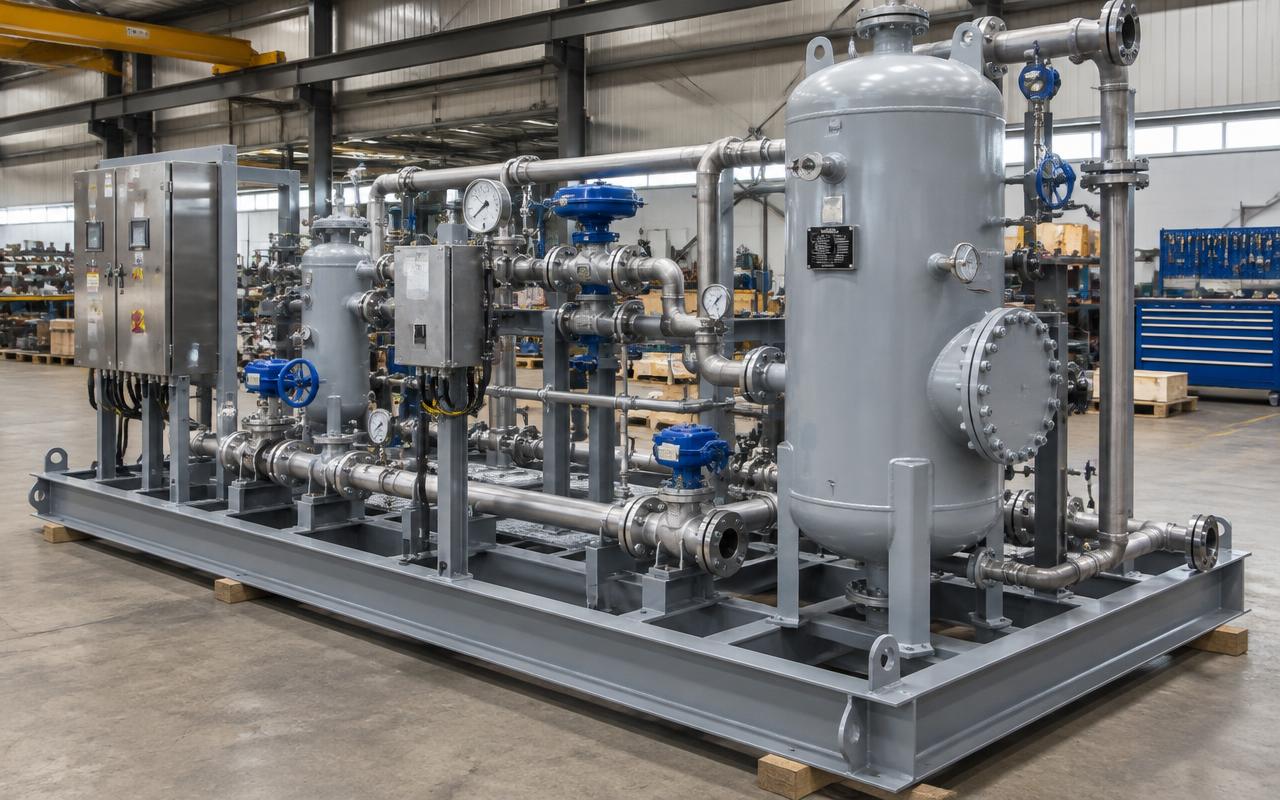
Lifting & Rigging Calculations
Calculating lifting lug, spreader and package lifting loads for safe installation.
Explore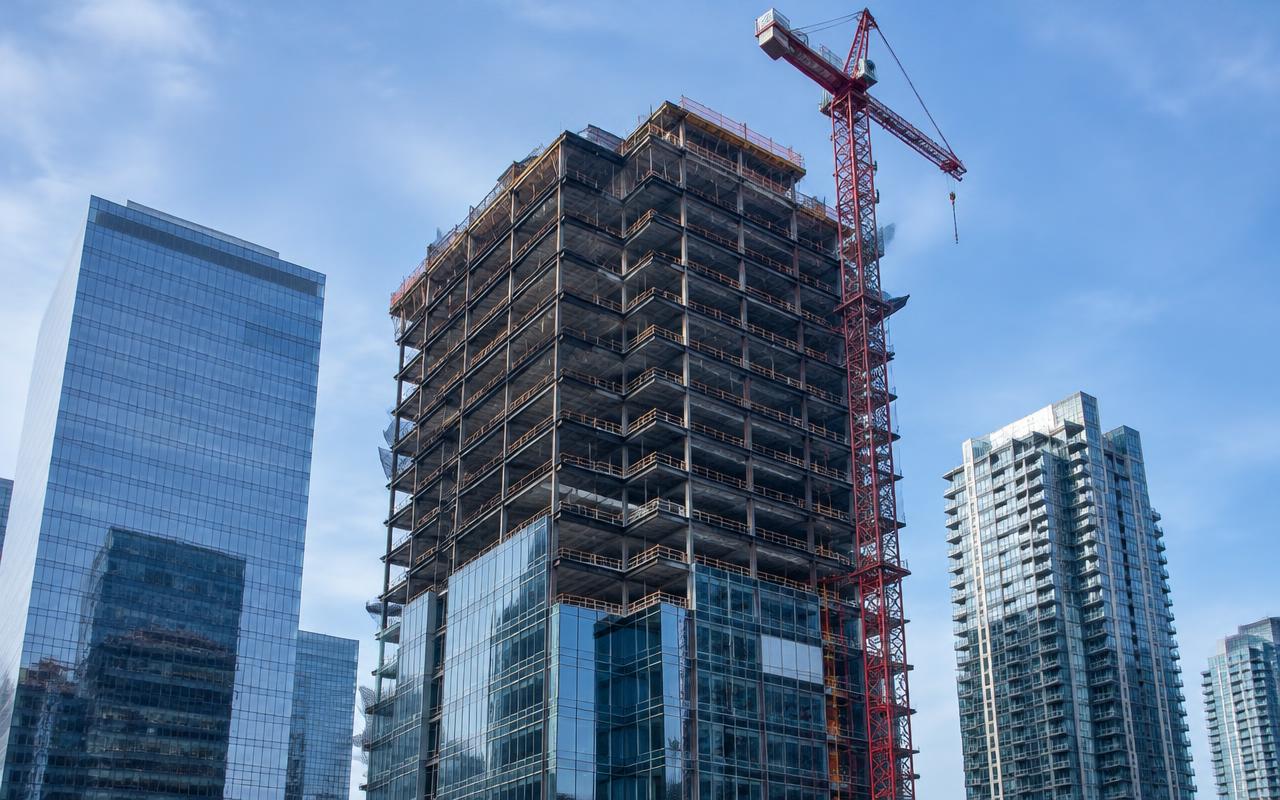
Structural Design Services
Developing safe, economical structural schemes from concept to issued-for-construction drawings.
ExploreDirectory
Foundation Advanced work by market
Pick the market your project is built in. Every page sets out the governing codes, units and delivery window we work to there.
8 markets
Start your project
Send your drawings. Get a quote in 24 hours.
Free, no-obligation proposal from a senior engineer.