Industries

Power Generation

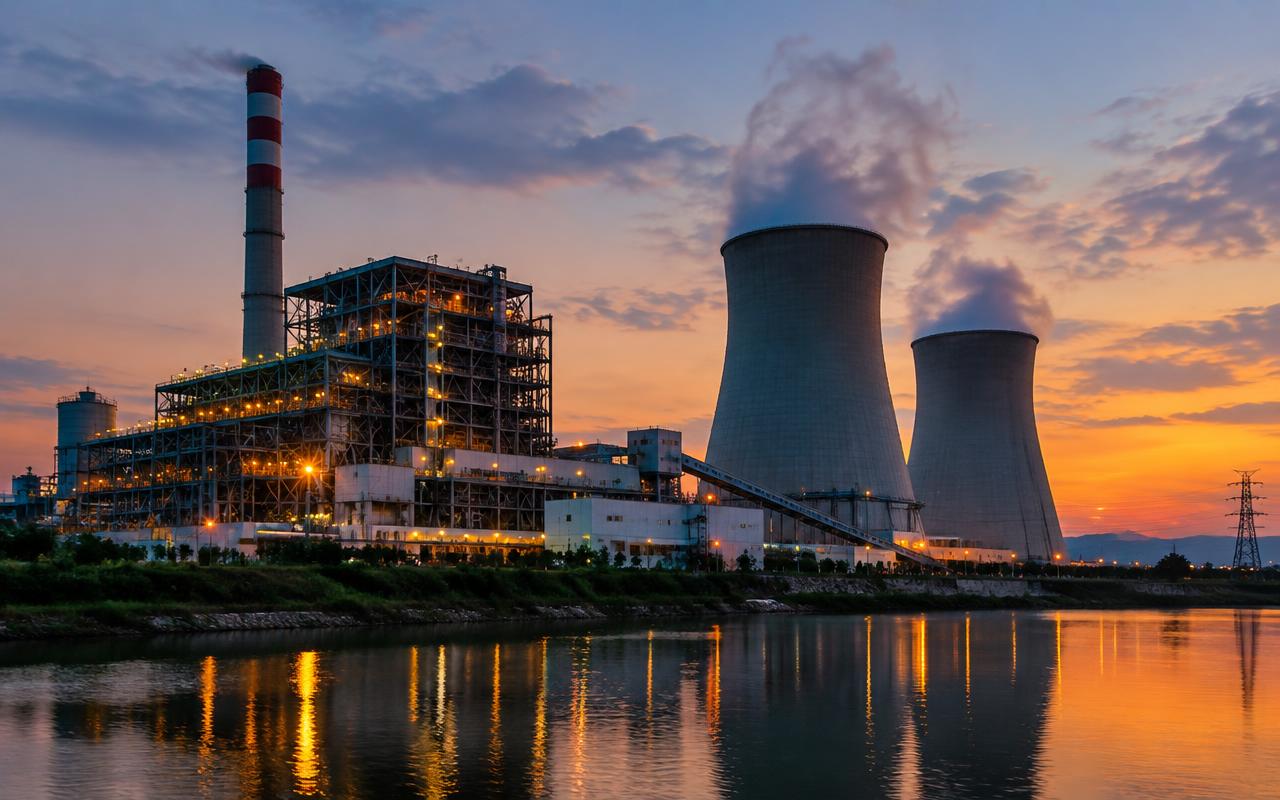
Boiler structures, stacks, transmission towers and balance-of-plant piping for thermal and renewable power.

Quick answer

Structural Engineering Services supports Power Generation projects worldwide with chimney & stack design, transmission tower design, pipe stress analysis, industrial building design — delivered by senior engineers on licensed software to international codes.

1,200+
Projects delivered
40+
Countries served
60+
In-house engineers
2009
Engineering since

Governing codes

  • ASME B31.1
  • ASCE 7 / IS 875 / EN 1991
  • CICIND / ASME STS-1
  • ASCE 10 / IS 802
  • AISC 360 / IS 800

Sector challenges

What makes Power Generation engineering hard

Power plant steelwork carries heavy, hot, vibrating equipment and has to survive the wind and seismic event the plant itself is designed for. Boiler houses, stacks and transmission structures each fail in a different way.

Challenge 01

Thermal movement of boiler and steam systems

Boiler structures carry hangers for components that move tens of millimetres between cold and operating conditions.

How we answer it

Hanger load schedules and movement data are built into the structural model, constant-effort and variable springs are selected, and the steel is checked in both the cold and hot condition.
Challenge 02

Dynamic and rotating equipment loads

Turbine decks, mills and fans introduce vibration that a static design never sees.

How we answer it

Decks and equipment foundations are checked for dynamic amplification and frequency separation, with modal analysis wherever the machine vendor sets a frequency limit.

Challenge 03

Wind, vortex shedding and ice

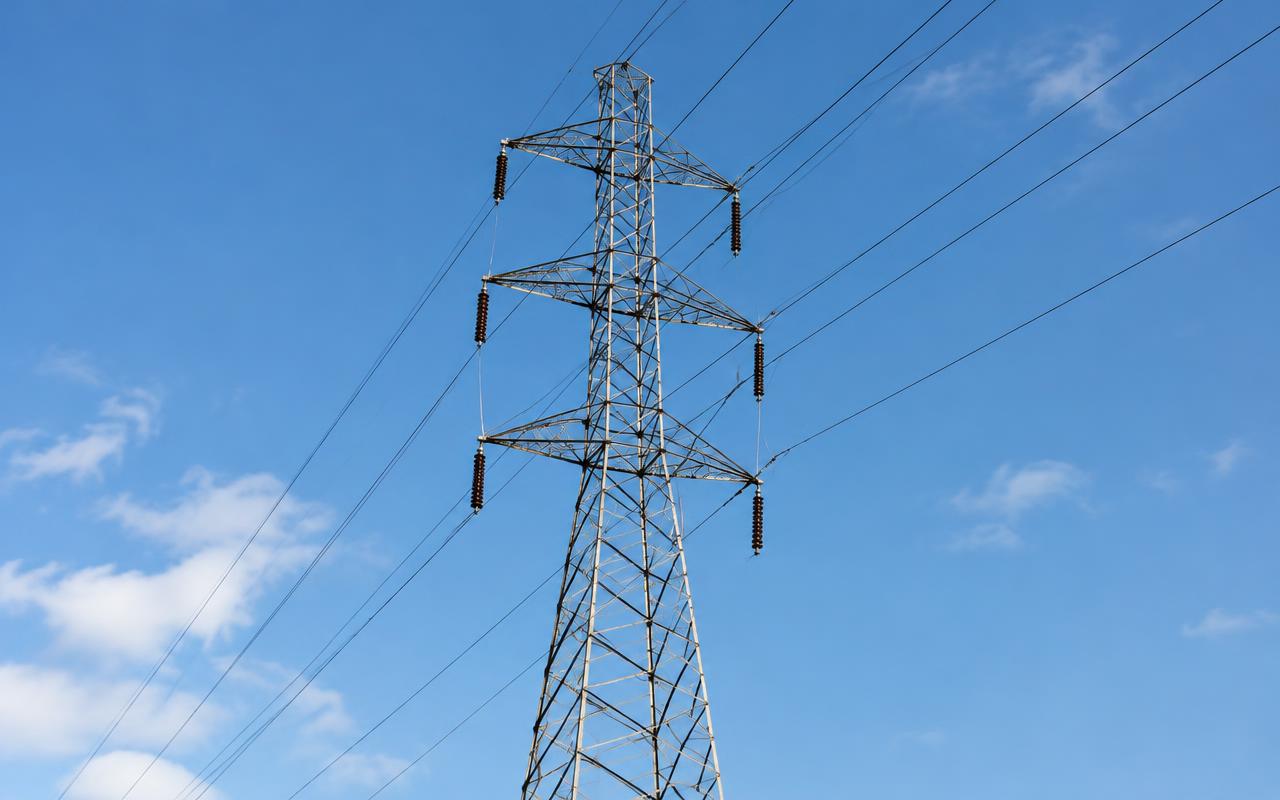
Stacks and lattice towers are governed by across-wind vortex shedding and, in cold regions, by radial ice.

How we answer it

Stacks are checked for vortex shedding and the resulting fatigue with dampers specified where needed; towers are run for the full wind, ice and wind-on-ice combination matrix.

Challenge 04

Outage and grid constraints

Plant modifications and tower work have to be built inside narrow outage windows with phased access.

How we answer it

Scope is split into erection-sequenced packages with temporary stability checks, so a partially erected structure is safe to leave standing between outages.

Relevant services

Our Power Generation services

Typical assets

Structures and equipment we engineer for power generation

From a single assembly to a complete package — the asset types our power generation teams work on week to week.

Boiler & furnace structures

Boiler support steel, buckstays, penthouse framing and hanger grids.

Turbine & generator decks

TG decks, pedestals and foundations with dynamic and frequency checks.

Chimneys & flue stacks

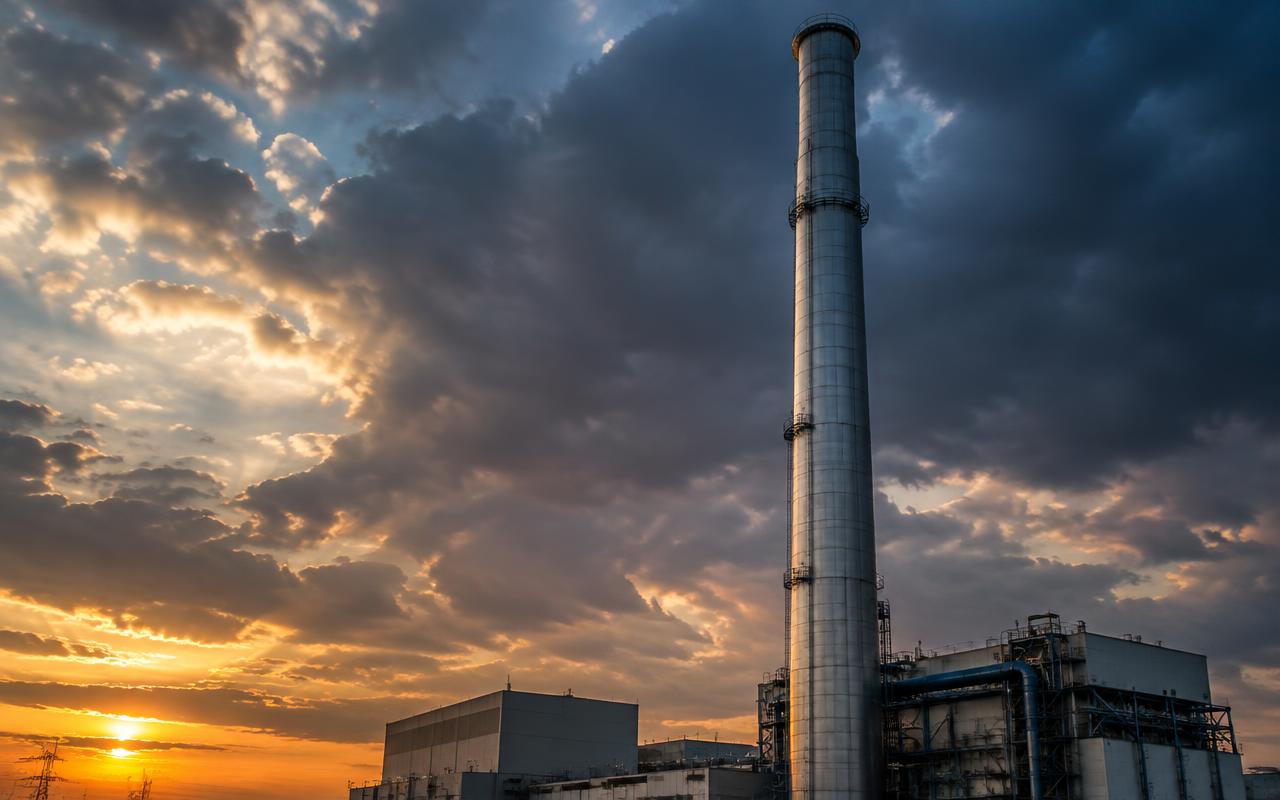
Self-supported steel stacks with liner, damper and access platform design.

Switchyard & transmission steel

Lattice towers, gantries and equipment support structures.

Balance-of-plant piping

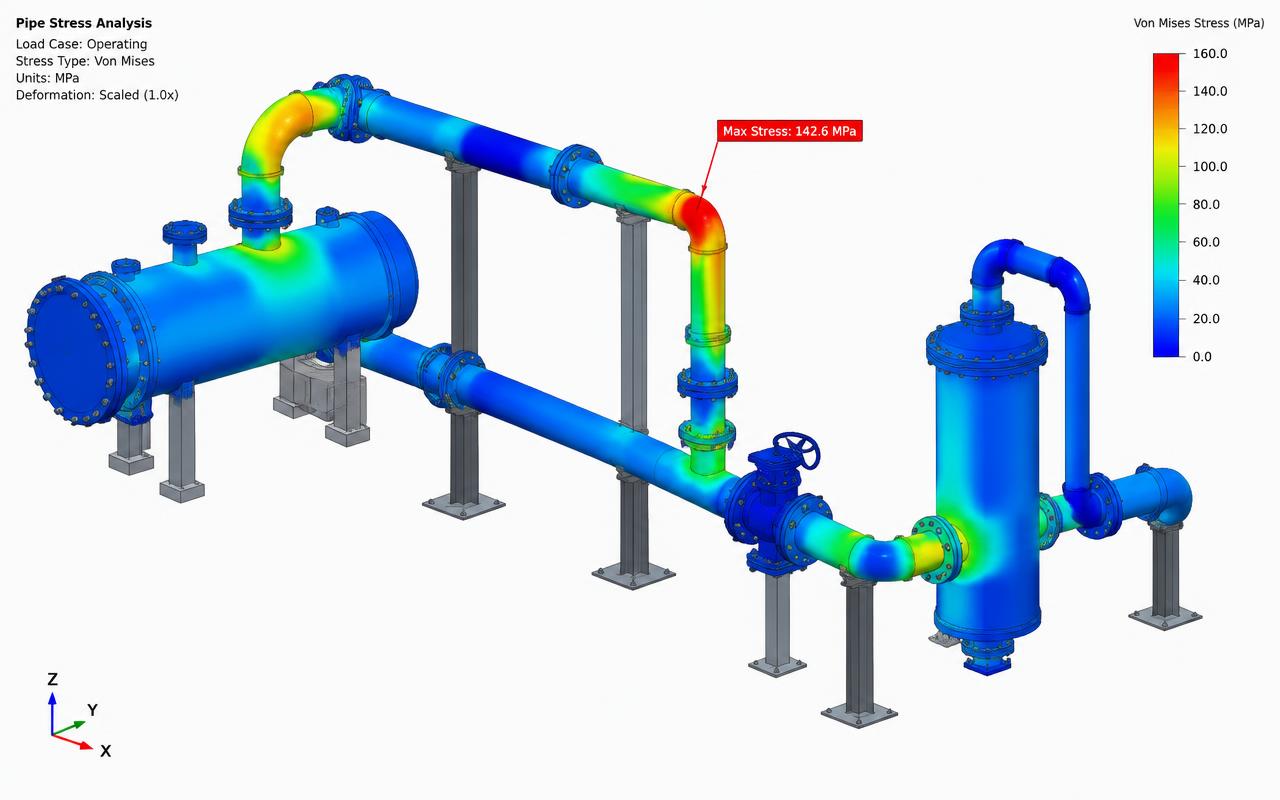
Steam, feedwater and condensate systems to ASME B31.1 with stress analysis.

Coal, ash & handling structures

Conveyor galleries, transfer towers, bunkers and silos.

Codes & specifications

What governs power generation design

The base code is only half the story. On power generation work the client specification usually overrides it somewhere, so we agree a single reconciled design basis before any calculation starts.

Browse all codes
  • ASME B31.1

    Power piping: steam and feedwater thickness, allowable stress and support spacing.

  • ASCE 7 / IS 875 / EN 1991

    Wind and seismic actions on open plant structures, stacks and towers.

  • CICIND / ASME STS-1

    Steel chimney design: shell thickness, vortex shedding and damper requirements.

  • ASCE 10 / IS 802

    Lattice transmission tower analysis with bolt slip and member eccentricity rules.

  • AISC 360 / IS 800

    Steel design for boiler houses, decks and balance-of-plant structures.

  • ACI 318 / IS 456

    Concrete pedestals, turbine foundations and anchorage design.

Free quote

Not sure what you need?

Send the drawings or datasheets you already have. We will tell you what is missing and quote the scope in 24 hours.

Request a Quote

Project lifecycle

Where we plug into a power generation project

Most clients bring us in at detailed design. We can start earlier, or pick a package up mid-stream — here is what you get from us at each stage.

01

Concept & feasibility

Options, preliminary sizing and budget tonnage, before the scheme is frozen.

Plant arrangement, major equipment weights and structural concepts for the feasibility estimate.

You receive

  • Design basis memorandum
  • Preliminary weight and tonnage estimate
  • Equipment sizing and preliminary datasheets
  • Framing concept and first-pass member sizing
  • Plot plan and routing study
02

FEED / basic design

Design basis, load schedules and layouts good enough to price and procure from.

Vendor load schedules, stack and tower sizing, and foundation reactions.

You receive

  • Load schedule and design criteria
  • GA drawings good enough to price
  • Mechanical datasheets and nozzle schedule
  • Connection philosophy and tonnage take-off
  • Line list and stress-critical line schedule
03

Detailed design

Full analysis, code checks, 3D modelling and issued-for-construction documentation.

Boiler steel, stack and piping analysis with foundations and IFC drawings.

You receive

  • Checked design calculation report
  • Issued-for-construction drawing set
  • Code calculations, GA and fabrication drawings
  • LOD 400 Tekla model with shop and erection drawings
  • 3D piping model, isometrics and stress reports
04

Fabrication & site support

Shop queries, RFIs and as-built updates while steel is being cut and erected.

Erection-sequence support, outage queries and field modification calculations.

You receive

  • RFI and technical query log
  • As-built red-line mark-ups
  • Weld maps, NDE plans and data-book input
  • NC/DSTV files and shop fit-up support
  • Spool revisions and field weld mark-ups

Deliverables & handover

What you actually receive

Power scope is handed over package by package, so boiler, stack, balance-of-plant and switchyard documents can follow their own approval cycles without waiting on each other.

DeliverableFormatIssued at
Design basis and calculation reportPDF, signed and checkedDetailed design
General arrangement drawingsDWG + PDFFEED to detailed design
Drawing register and transmittalXLSX + PDFEvery issue
Mechanical design calculationsPV-Elite output + PDF with code referencesDetailed design
Fabrication and nozzle orientation drawingsDWG + PDFPre-fabrication
Tekla 3D modelNative .db1 + IFC 2x3/4Detailed design
Single-part, assembly and erection drawingsPDF + DWG, one sheet per markDetailed design
CNC files, bolt list and BOQNC1/DSTV, DXF, XLSXPre-fabrication
3D piping model and isometricsNative + PDF/DWG, line-numberedDetailed design
Stress report with support and nozzle loadsPDF + CAESAR II .c2 inputDetailed design
Equipment load and hanger scheduleXLSX + PDFFEED to detailed design
Erection sequence and temporary stability checksPDF calculation + DWG sequence plansPre-erection

Two-stage check

Originator, then senior checker signs off every sheet before it leaves our office.

Native files included

You own the model, so another team can pick the work up at any point.

Revision control

A revision table on every sheet; superseded issues are archived, never deleted.

Your transmittal route

Issued through your document-control portal with your numbering, or over secure FTP.

Directory

Power Generation engineering by market

Jump straight to the market you build in. Every page sets out the governing codes, units and delivery window we work to there.

8 markets

Start your project

Send your drawings. Get a quote in 24 hours.

Free, no-obligation proposal from a senior engineer.

Request a Quote
irPowered by IRPR