Cost & Pricing · Static Equipment Design

Static Equipment Design Cost: Pricing, Rates & How to Budget

Buyers of static equipment design tend to ask the same questions: what is actually included, what does it cost, which standards apply and how do you pick a reliable partner? This article answers all four with the level of detail your project team needs.

Key takeaways3 min read4 sections

The short version

  1. 1What drives the cost of static equipment designPricing for static equipment design is driven by five variables: scope size, complexity, code requirements, schedule and the quality of your input documents.
  2. 2Common pricing modelsReputable suppliers quote static equipment design in one of four ways.
  3. 3How to budget accuratelyThe fastest route to an accurate budget is a real quote on your actual documents — generic online figures for static equipment design are rarely useful because complexity varies so widely.
  4. 4Hidden costs to watch forBudget overruns in outsourced engineering usually come from rework, not rates.
  5. 5The bottom lineHeadline rates only mean something once scope is normalised: checker review, revision cycles, native PV-Elite files and code documentation are either inside the price or they are not.

Quick answer

In short, static equipment design means delivering design and analysis for the full range of static process equipment. The work is governed by ASME Sec VIII Div 1/2 and EN 13445, executed on licensed PV-Elite and checked against a documented QA checklist before issue.

What drives the cost of static equipment design

Pricing for static equipment design is driven by five variables: scope size, complexity, code requirements, schedule and the quality of your input documents. Two projects that look similar on the surface can price very differently once those five are understood.

As a rule of thumb, an offshore delivery model like ours runs 40–60% below typical US, UK or Gulf local rates for the same code-compliant output — the saving comes from delivery location, not from cutting review steps.

Common pricing models

Reputable suppliers quote static equipment design in one of four ways. The right model depends on how well-defined your scope is.

  • Fixed lump-sum — best when inputs are complete; you get price certainty.
  • Per-tonne or per-drawing — common for fabrication-linked work; scales with the package.
  • Hourly / rate-based — best for evolving scopes and RFI-heavy phases.
  • Frame agreement — a committed rate card for multi-year programmes, with priority scheduling.

How to budget accurately

The fastest route to an accurate budget is a real quote on your actual documents — generic online figures for static equipment design are rarely useful because complexity varies so widely. Send your drawings and we return a fixed-price proposal within 24 hours.

When comparing quotes, normalise for scope: does the price include checker review, revisions, native files (PV-Elite) and code compliance documentation? The cheapest headline number often excludes all four.

Hidden costs to watch for

Budget overruns in outsourced engineering usually come from rework, not rates. Watch for quotes that exclude revision cycles, charge extra for native-format files, or skip the independent check — the saving reappears later as fabrication errors and site delays.
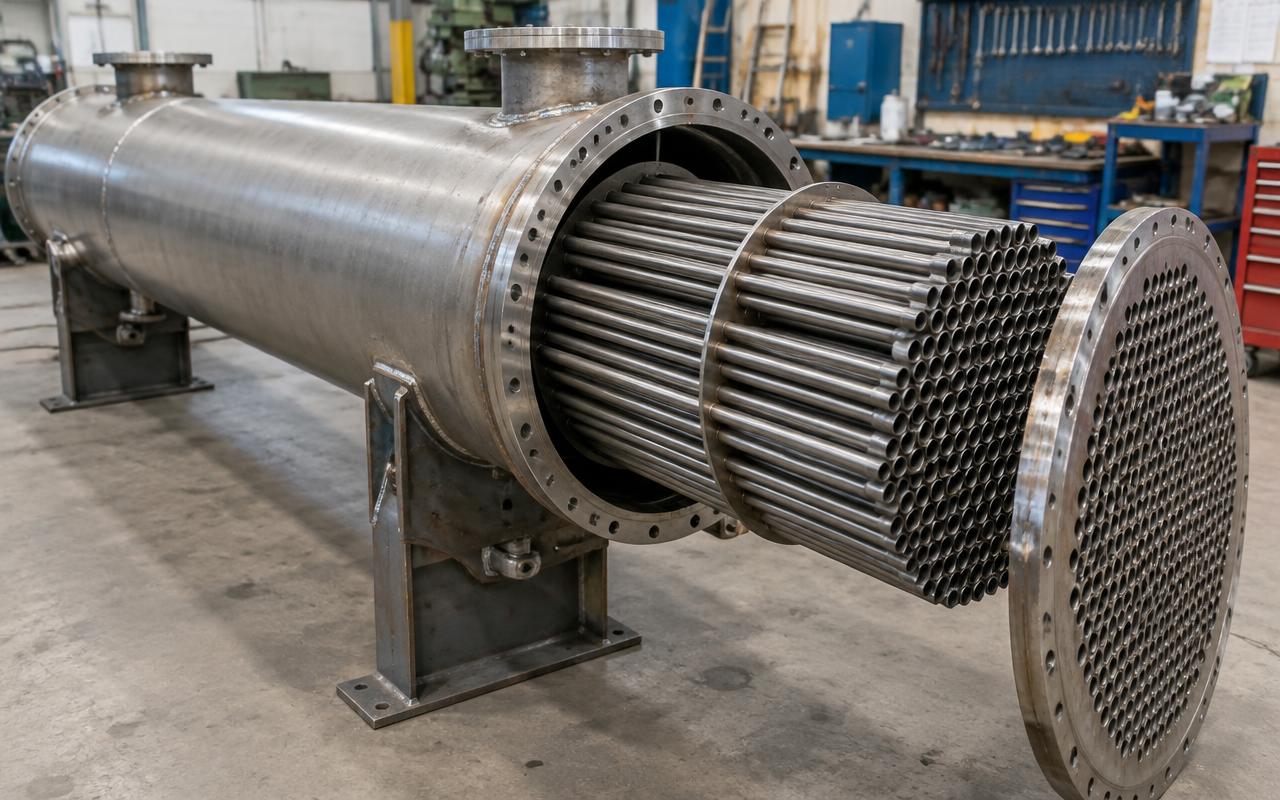
Static Equipment Design — cost & pricing

Static Equipment Design Cost: Pricing, Rates & How to Budget: FAQ

How much does static equipment design cost?

In short, static equipment design means delivering design and analysis for the full range of static process equipment. The work is governed by ASME Sec VIII Div 1/2 and EN 13445, executed on licensed PV-Elite and checked against a documented QA checklist before issue.

Which software is used for static equipment design?

We deliver on licensed PV-Elite, Codeware COMPRESS, Autodesk Inventor and issue native files plus PDF, DWG and IFC on request.

Which standards do you follow for static equipment design?

We work to ASME Sec VIII Div 1/2, EN 13445, PD 5500, API 650, TEMA, API 660, plus client specifications such as Shell DEPs and major operator standards.

How long does a static equipment design package take?

Small packages are typically delivered in 3–7 working days; larger scopes are split into phased submissions agreed at kick-off.

How do I get a quote for static equipment design?

Send your drawings or scope through our quote form — a senior engineer reviews them and returns a fixed-price proposal within 24 hours, free and without obligation.

Where the money goes

What you are actually paying for in static equipment design

Typical weighting of a static equipment design price. The shares move with project type, but the order rarely does — and two of the five are inside your control before the enquiry even goes out.

Rates differ by delivery location; scope definition differs by buyer. The second one moves your final invoice further than the first.

  • Scope & quantity

    ~32% of price

    Tonnage, line count, sheet count or component count — the raw volume of mechanical design calculations and general arrangement drawing you need.

    Set by the project
  • Technical complexity

    ~24% of price

    Connection density, non-standard geometry, analysis depth and how much of the work needs senior PV-Elite judgement rather than production time.

    Set by the design
  • Code & specification overlay

    ~16% of price

    Working to ASME Sec VIII Div 1/2 and EN 13445 plus operator standards adds checking, documentation and a longer review gate.

    Set by the owner
  • Schedule compression

    ~14% of price

    Parallel teams, overtime and split submissions to hit a fabrication slot. Four weeks of notice is usually cheaper than any rate negotiation.

    Negotiable
  • Input document quality

    ~14% of price

    Incomplete or contradictory inputs become RFIs, assumptions and rework — the biggest avoidable line in most quotes.

    In your control

Inside our price

  • Modelling and engineering hours from the named discipline team
  • An independent checker review before every issue
  • Native PV-Elite files plus PDF and the agreed exchange formats
  • The revision cycles written into the proposal
  • Code compliance documentation referencing ASME Sec VIII Div 1/2

Quoted separately

  • Scope growth beyond the agreed quantity, sheet or tonnage count
  • Third-party certification, authority submission or stamping fees
  • Site visits, surveys and travel
  • Rework caused by input drawings revised after the agreed cut-off

Work through this

The static equipment design checklist

Fifteen points, in the order you will need them — from assembling the enquiry to signing off the final transmittal. Tick them here, or copy them into your own project procedure.

15 checks
01

Before you send the enquiry

Everything a supplier needs in order to price accurately.

02

Comparing the quotes

Normalise the scope before you compare a single number.

03

Before you accept the package

Fifteen minutes here saves a fabrication hold.

About this guide

How we know this

Written from delivered work
The guidance here comes from live static equipment design packages produced on licensed PV-Elite, Codeware COMPRESS, Autodesk Inventor — not from a content brief.
Checked against the governing codes
Every technical statement is cross-read against ASME Sec VIII Div 1/2, EN 13445, PD 5500, API 650, TEMA, API 660 and the operator specifications our teams work to daily.
Reviewed through the same checker gate
A senior engineer who signs off static equipment design deliverables reviewed this article, using the independent-check process every client package passes through.
Revised when the standards move
Articles are re-read and re-stamped whenever a governing code edition, software release or client specification changes materially.

2009

Engineering since

1,200+

Projects delivered

40+

Countries served

60+

In-house engineers

Reviewed by

Static Equipment Design practice

Senior engineer, SES static equipment design team

Last reviewed
2 June 2026
Review gate
Independent checker

Working toolset

PV-EliteCodeware COMPRESSAutodesk Inventor

Next step

Ready to put this into practice on static equipment design?

See the full service scope, or send drawings and get a fixed price from a senior engineer in 24 hours.

Read next: What Is Static Equipment Design? A Complete Guide

Start your project

Send your drawings. Get a quote in 24 hours.

Free, no-obligation proposal from a senior engineer.

Request a Quote
irPowered by IRPR