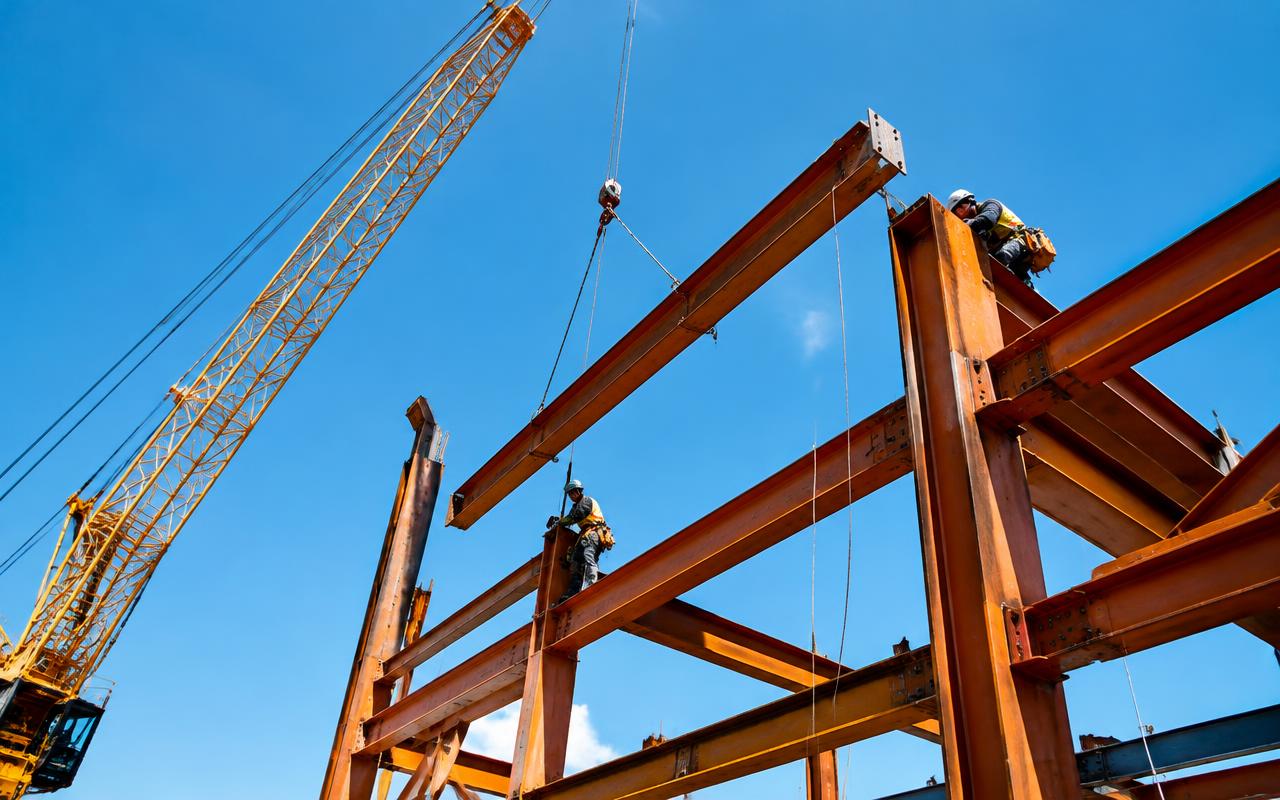
Codes & Standards · Reactor & Jacketed Vessel Design

Reactor & Jacketed Vessel Design Codes & Standards Explained

Buyers of reactor & jacketed vessel design tend to ask the same questions: what is actually included, what does it cost, which standards apply and how do you pick a reliable partner? This article answers all four with the level of detail your project team needs.

Key takeaways3 min read4 sections

The short version

  1. 1The standards that govern reactor & jacketed vessel designReactor & Jacketed Vessel Design is governed by ASME Sec VIII Div 1/2, EN 13445, PD 5500, API 650, TEMA, API 660.
  2. 2How code compliance is demonstratedCompliance is shown through documentation, not assertion. Your package should include:
  3. 3Common compliance mistakesThe most frequent compliance failures we see in reactor & jacketed vessel design are edition drift (working to a superseded code edition), mixing code systems mid-package, and missing project-specific overlays.
  4. 4Working across multiple jurisdictionsGlobal projects often need one package that satisfies several jurisdictions.
  5. 5The bottom lineName the edition, not just the code family — ASME Sec VIII Div 1/2 compliance is demonstrated through a documented design basis, calculations and a checker's sign-off.

Quick answer

In short, reactor & jacketed vessel design means designing reactors, jacketed and limpet-coil vessels with agitator loads. The work is governed by ASME Sec VIII Div 1/2 and EN 13445, executed on licensed PV-Elite and checked against a documented QA checklist before issue.

The standards that govern reactor & jacketed vessel design

Reactor & Jacketed Vessel Design is governed by ASME Sec VIII Div 1/2, EN 13445, PD 5500, API 650, TEMA, API 660. Which one leads depends on the project location and the owner's specification — a US refinery package and a European commercial building may need the same discipline executed to entirely different rules.

Beyond the headline code, most projects layer client specifications on top: operator standards (Shell DEPs, Saudi Aramco SAES, ADNOC), fabricator preferences and local authority requirements. A good reactor & jacketed vessel design partner maps all of them into a compliance matrix at kick-off.

How code compliance is demonstrated

Compliance is shown through documentation, not assertion. Your package should include:

  • Design basis / basis-of-design note referencing the governing code and edition.
  • Calculation reports with load combinations and acceptance criteria.
  • Drawings flagged with the applicable code and material grades.
  • A documented checker's review with sign-off.
  • Revision-controlled transmittals so the latest code-compliant issue is unambiguous.

Common compliance mistakes

The most frequent compliance failures we see in reactor & jacketed vessel design are edition drift (working to a superseded code edition), mixing code systems mid-package, and missing project-specific overlays. Each is avoidable with a kick-off compliance matrix and a senior review gate.

Working across multiple jurisdictions

Global projects often need one package that satisfies several jurisdictions. We deliver reactor & jacketed vessel design to ASME Sec VIII Div 1/2 and EN 13445 routinely and maintain checklists for each, so multi-code packages are reviewed against every governing standard, not just the primary one.
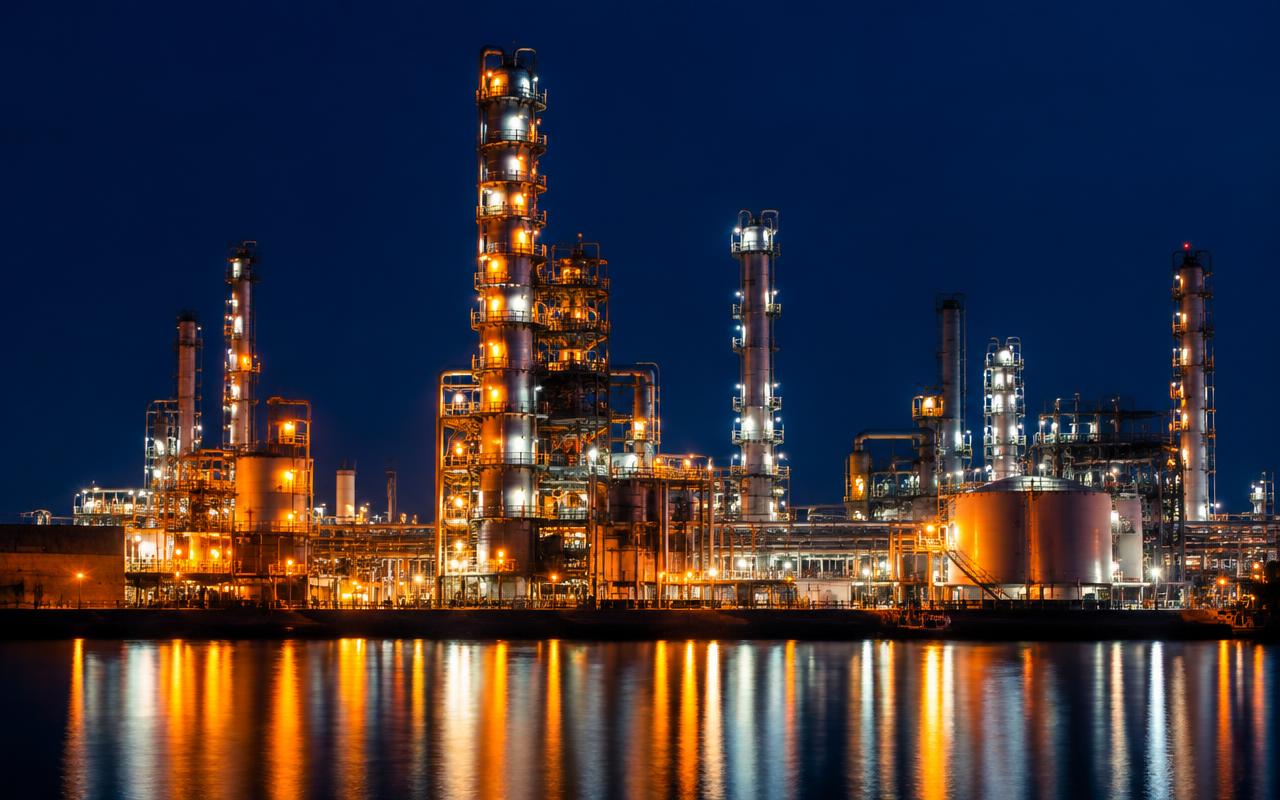
Reactor & Jacketed Vessel Design — codes & standards

Reactor & Jacketed Vessel Design Codes & Standards Explained: FAQ

Which code applies to reactor & jacketed vessel design?

In short, reactor & jacketed vessel design means designing reactors, jacketed and limpet-coil vessels with agitator loads. The work is governed by ASME Sec VIII Div 1/2 and EN 13445, executed on licensed PV-Elite and checked against a documented QA checklist before issue.

Which software is used for reactor & jacketed vessel design?

We deliver on licensed PV-Elite, Codeware COMPRESS, Autodesk Inventor and issue native files plus PDF, DWG and IFC on request.

Which standards do you follow for reactor & jacketed vessel design?

We work to ASME Sec VIII Div 1/2, EN 13445, PD 5500, API 650, TEMA, API 660, plus client specifications such as Shell DEPs and major operator standards.

How long does a reactor & jacketed vessel design package take?

Small packages are typically delivered in 3–7 working days; larger scopes are split into phased submissions agreed at kick-off.

How do I get a quote for reactor & jacketed vessel design?

Send your drawings or scope through our quote form — a senior engineer reviews them and returns a fixed-price proposal within 24 hours, free and without obligation.

Code by code

The standards behind a reactor & jacketed vessel design package

Each standard below governs a different slice of the scope. A compliant package names the edition of every one that applies and carries the evidence in the transmittal.

Multi-jurisdiction projects need the package reviewed against every governing standard — not only the primary one named in the contract.

  1. ASME Sec VIII Div 1/2Global

    Governs pressure vessel design by rule (Div 1) or by analysis with higher allowable stresses (Div 2).

    Evidence: a design report stating the division used, MAWP, MDMT and the nozzle load envelope.

  2. EN 13445Europe & UK

    Governs unfired pressure vessels placed on the market under the Pressure Equipment Directive.

    Evidence: a design dossier referencing the PED category, fluid group and conformity route.

  3. PD 5500United Kingdom

    Governs unfired fusion-welded pressure vessels under the UK specification.

    Evidence: calculations naming the construction category and the inspection regime it implies.

  4. API 650Global

    Governs welded above-ground storage tanks — shell courses, roof, annular plate and seismic design.

    Evidence: shell thickness calculations by the one-foot or variable-design-point method plus a seismic check.

  5. TEMAGlobal

    Governs mechanical standards for shell-and-tube exchangers — class R, C or B tolerances and details.

    Evidence: a TEMA-class statement on the datasheet with matching tube layout and baffle details.

  6. API 660Global

    Governs shell-and-tube heat exchangers for refinery and petrochemical service.

    Evidence: a datasheet and mechanical design report covering the purchaser's supplementary requirements.

Work through this

The reactor & jacketed vessel design checklist

Fifteen points, in the order you will need them — from assembling the enquiry to signing off the final transmittal. Tick them here, or copy them into your own project procedure.

15 checks
01

Before you send the enquiry

Everything a supplier needs in order to price accurately.

02

Proving compliance

Compliance is documented, never asserted.

03

Before you accept the package

Fifteen minutes here saves a fabrication hold.

About this guide

How we know this

Written from delivered work
The guidance here comes from live reactor & jacketed vessel design packages produced on licensed PV-Elite, Codeware COMPRESS, Autodesk Inventor — not from a content brief.
Checked against the governing codes
Every technical statement is cross-read against ASME Sec VIII Div 1/2, EN 13445, PD 5500, API 650, TEMA, API 660 and the operator specifications our teams work to daily.
Reviewed through the same checker gate
A senior engineer who signs off reactor & jacketed vessel design deliverables reviewed this article, using the independent-check process every client package passes through.
Revised when the standards move
Articles are re-read and re-stamped whenever a governing code edition, software release or client specification changes materially.

2009

Engineering since

1,200+

Projects delivered

40+

Countries served

60+

In-house engineers

Reviewed by

Static Equipment Design practice

Senior engineer, SES static equipment design team

Last reviewed
25 February 2026
Review gate
Independent checker

Working toolset

PV-EliteCodeware COMPRESSAutodesk Inventor

Next step

Ready to put this into practice on reactor & jacketed vessel design?

See the full service scope, or send drawings and get a fixed price from a senior engineer in 24 hours.

Read next: What Is Reactor & Jacketed Vessel Design? A Complete Guide

Start your project

Send your drawings. Get a quote in 24 hours.

Free, no-obligation proposal from a senior engineer.

Request a Quote
irPowered by IRPR