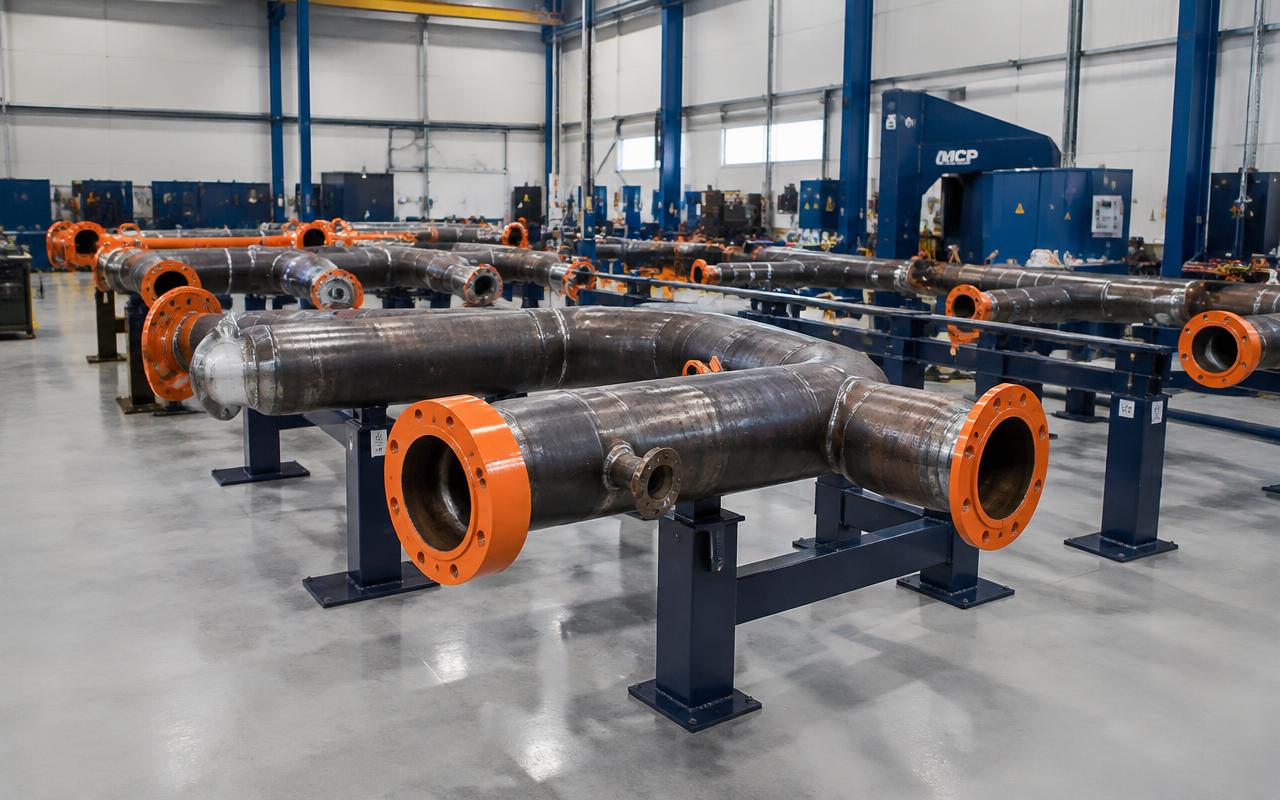
Codes & Standards · Process Plant Structures

Process Plant Structures Codes & Standards Explained

If you are scoping a project that needs process plant structures, the difference between a smooth package and weeks of RFIs usually comes down to how the work is planned, which codes are applied and who checks the output. This guide walks through exactly that — written by engineers who deliver process plant structures every week.

Key takeaways3 min read4 sections

The short version

  1. 1The standards that govern process plant structuresProcess Plant Structures is governed by AISC 360, EN 1993, IS 800, AWS D1.1.
  2. 2How code compliance is demonstratedCompliance is shown through documentation, not assertion. Your package should include:
  3. 3Common compliance mistakesThe most frequent compliance failures we see in process plant structures are edition drift (working to a superseded code edition), mixing code systems mid-package, and missing project-specific overlays.
  4. 4Working across multiple jurisdictionsGlobal projects often need one package that satisfies several jurisdictions.
  5. 5The bottom lineName the edition, not just the code family — AISC 360 compliance is demonstrated through a documented design basis, calculations and a checker's sign-off.

Quick answer

Process Plant Structures covers designing multi-level process structures, technological platforms and access steel. Done properly, it follows AISC 360, EN 1993, IS 800 and produces lod 400 tekla 3d model that a fabricator or reviewer can use without rework. Structural Engineering Services delivers process plant structures to clients in 40+ countries with a senior-engineer review on every package.

The standards that govern process plant structures

Process Plant Structures is governed by AISC 360, EN 1993, IS 800, AWS D1.1. Which one leads depends on the project location and the owner's specification — a US refinery package and a European commercial building may need the same discipline executed to entirely different rules.

Beyond the headline code, most projects layer client specifications on top: operator standards (Shell DEPs, Saudi Aramco SAES, ADNOC), fabricator preferences and local authority requirements. A good process plant structures partner maps all of them into a compliance matrix at kick-off.

How code compliance is demonstrated

Compliance is shown through documentation, not assertion. Your package should include:

  • Design basis / basis-of-design note referencing the governing code and edition.
  • Calculation reports with load combinations and acceptance criteria.
  • Drawings flagged with the applicable code and material grades.
  • A documented checker's review with sign-off.
  • Revision-controlled transmittals so the latest code-compliant issue is unambiguous.

Common compliance mistakes

The most frequent compliance failures we see in process plant structures are edition drift (working to a superseded code edition), mixing code systems mid-package, and missing project-specific overlays. Each is avoidable with a kick-off compliance matrix and a senior review gate.

Working across multiple jurisdictions

Global projects often need one package that satisfies several jurisdictions. We deliver process plant structures to AISC 360 and EN 1993 routinely and maintain checklists for each, so multi-code packages are reviewed against every governing standard, not just the primary one.
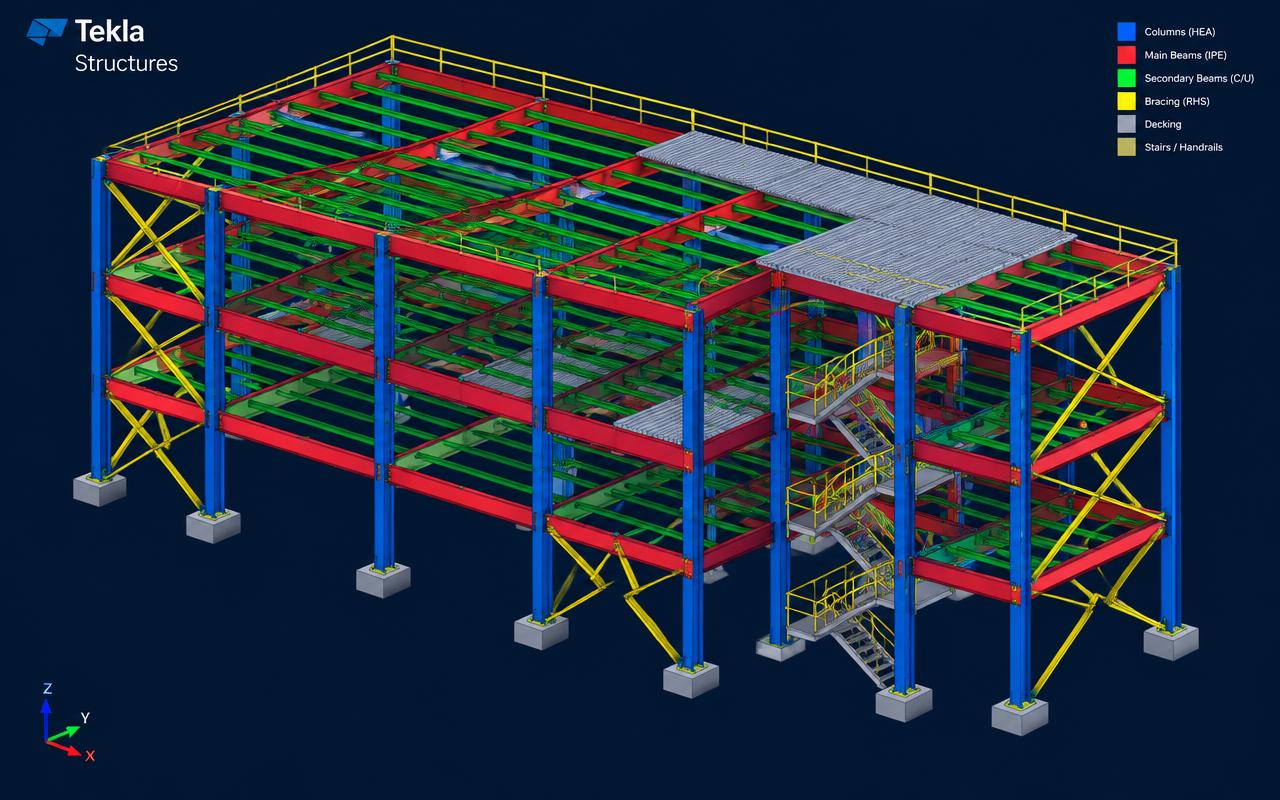
Process Plant Structures — codes & standards

Process Plant Structures Codes & Standards Explained: FAQ

Which code applies to process plant structures?

Process Plant Structures covers designing multi-level process structures, technological platforms and access steel. Done properly, it follows AISC 360, EN 1993, IS 800 and produces lod 400 tekla 3d model that a fabricator or reviewer can use without rework. Structural Engineering Services delivers process plant structures to clients in 40+ countries with a senior-engineer review on every package.

Which software is used for process plant structures?

We deliver on licensed Tekla Structures, AutoCAD, Navisworks and issue native files plus PDF, DWG and IFC on request.

Which standards do you follow for process plant structures?

We work to AISC 360, EN 1993, IS 800, AWS D1.1, plus client specifications such as Shell DEPs and major operator standards.

How long does a process plant structures package take?

Small packages are typically delivered in 3–7 working days; larger scopes are split into phased submissions agreed at kick-off.

How do I get a quote for process plant structures?

Send your drawings or scope through our quote form — a senior engineer reviews them and returns a fixed-price proposal within 24 hours, free and without obligation.

Code by code

The standards behind a process plant structures package

Each standard below governs a different slice of the scope. A compliant package names the edition of every one that applies and carries the evidence in the transmittal.

Multi-jurisdiction projects need the package reviewed against every governing standard — not only the primary one named in the contract.

  1. AISC 360United States

    Governs member sizing, stability and bolted or welded connection strength for structural steel.

    Evidence: design calculations showing load combinations, interaction ratios and connection capacity checks.

  2. EN 1993Europe & UK

    Governs limit-state steel design under the Eurocode partial-factor method, including National Annex values.

    Evidence: a calculation report naming the National Annex and the partial factors adopted.

  3. IS 800India

    Governs limit-state design of steel structures for Indian-jurisdiction projects.

    Evidence: member and connection design sheets referencing the relevant clause numbers.

  4. AWS D1.1United States

    Governs weld joint details, procedure qualification, prequalified joints and visual acceptance criteria.

    Evidence: weld symbols on every drawing plus the WPS and PQR register from the fabricator.

Work through this

The process plant structures checklist

Fifteen points, in the order you will need them — from assembling the enquiry to signing off the final transmittal. Tick them here, or copy them into your own project procedure.

15 checks
01

Before you send the enquiry

Everything a supplier needs in order to price accurately.

02

Proving compliance

Compliance is documented, never asserted.

03

Before you accept the package

Fifteen minutes here saves a fabrication hold.

About this guide

How we know this

Written from delivered work
The guidance here comes from live process plant structures packages produced on licensed Tekla Structures, AutoCAD, Navisworks — not from a content brief.
Checked against the governing codes
Every technical statement is cross-read against AISC 360, EN 1993, IS 800, AWS D1.1 and the operator specifications our teams work to daily.
Reviewed through the same checker gate
A senior engineer who signs off process plant structures deliverables reviewed this article, using the independent-check process every client package passes through.
Revised when the standards move
Articles are re-read and re-stamped whenever a governing code edition, software release or client specification changes materially.

2009

Engineering since

1,200+

Projects delivered

40+

Countries served

60+

In-house engineers

Reviewed by

Steel Structures & Detailing practice

Senior engineer, SES steel structures & detailing team

Last reviewed
17 March 2026
Review gate
Independent checker

Working toolset

Tekla StructuresAutoCADNavisworks

Next step

Ready to put this into practice on process plant structures?

See the full service scope, or send drawings and get a fixed price from a senior engineer in 24 hours.

Read next: What Is Process Plant Structures? A Complete Guide

Start your project

Send your drawings. Get a quote in 24 hours.

Free, no-obligation proposal from a senior engineer.

Request a Quote
irPowered by IRPR